
YouTube Creator Outreach Calendar: A 30-Day Sponsorship Sprint
Creator outreach works better as a calendar than a scramble. Use this 30-day sprint to move from campaign angle to shortlist, replies, negotiations, and booked sponsorships.
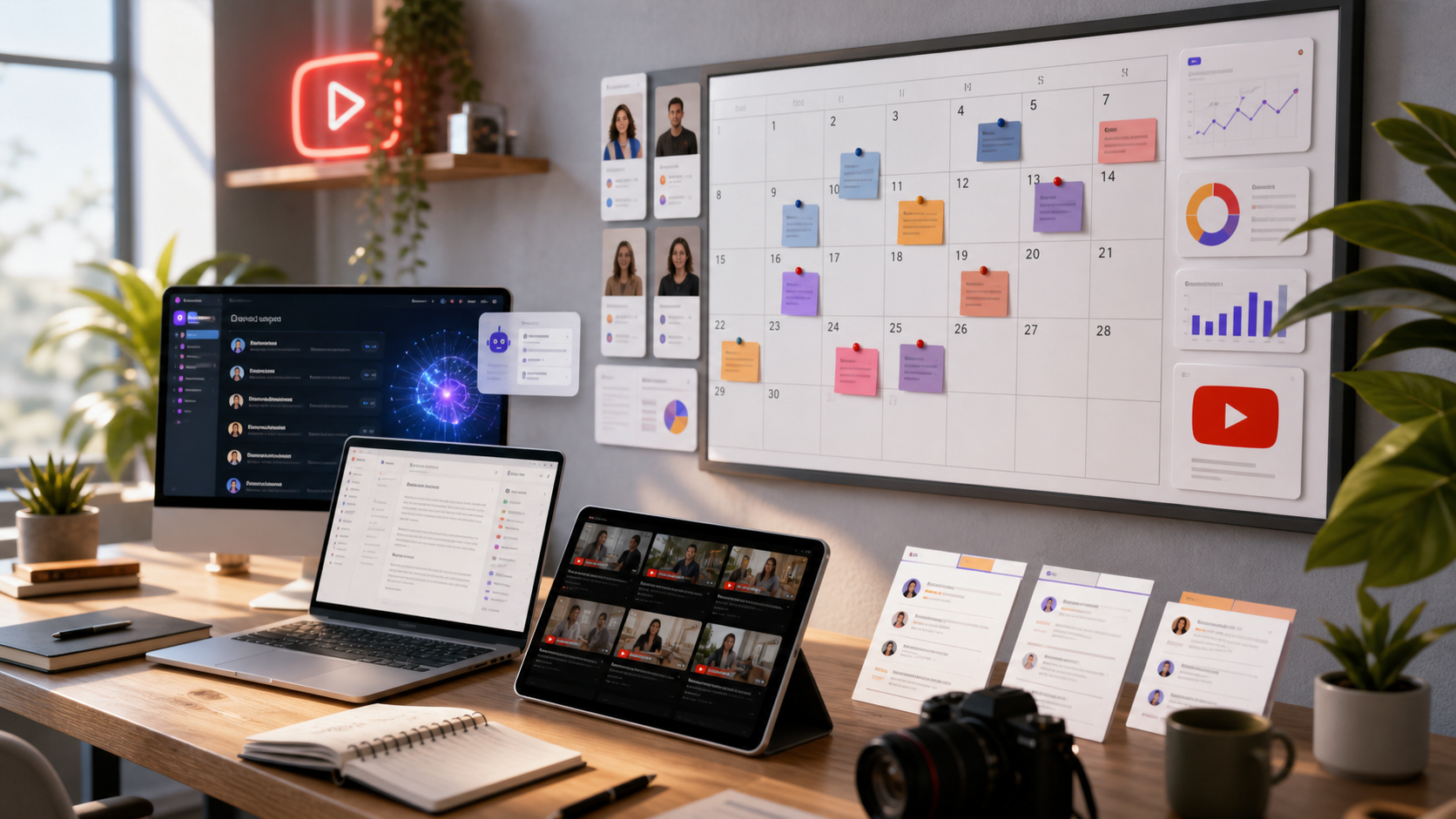
YouTube creator outreach gets messy when research, email, negotiation, contracts, and briefing all happen at once. A better first campaign is a 30-day calendar with one job per week: build the right shortlist, send a specific pitch, follow up with useful context, then turn replies into clean sponsorship tests.
Why a calendar beats random outreach
Most failed outreach campaigns do not fail because YouTube creators hate brand deals. They fail because the brand sends before it has a real shortlist, negotiates before it knows its budget bands, or briefs before the creator understands the product. The calendar fixes sequencing.
Treat the first campaign as a learning sprint. You are trying to answer four questions: which creator format fits, which pitch earns replies, what price range is realistic, and which sponsor integration feels natural enough to test.
Days 1-7: build the shortlist
Start with the buyer problem, not the niche label. A productivity app should search for desk setup, workflow, Notion, AI automation, and creator business videos before it searches broadly for "tech creators." A skincare brand should search routines, ingredient explainers, empties, and comparison videos before it searches broadly for "beauty influencers."
- Write one campaign angle the creator can show in a video, not just mention in an ad read.
- Pull 60-80 raw channels from YouTube search, competitor sponsors, and adjacent creator recommendations.
- Score each channel for recent views, format fit, comment quality, sponsor history, audience geography, and business email availability.
- Cut the list to 20-40 creators with a clear reason each one belongs.
If this takes too long, use ReachLit to generate a fit-scored YouTube shortlist and outreach angle from the brief. The calendar still matters; the tool compresses the research block.
Days 8-14: send first emails
Send in batches of 8-12, not all at once. Small batches let you improve the subject line and pitch angle before burning the whole list. Every email should answer three questions fast: why this creator, what the video idea is, and what the next step should be.
| Email part | What it should do |
|---|---|
| Subject | Use the creator name, product category, or video format. |
| Opening line | Reference a specific recent video or recurring format. |
| Pitch | Propose one useful segment, demo, comparison, or test. |
| Close | Ask whether they are open to rates and fit details. |
Days 15-21: follow up and compare replies
Follow-up one should add a concrete idea: a creator-specific hook, landing page angle, product proof point, or budget range. Follow-up two should be a polite close-the-loop. If there is no response after that, move on and keep the relationship clean.
For replies, compare creators on expected views, integration fit, production timeline, price, usage rights, and whether they ask smart questions. The cheapest creator is not always the best test. The best test is the creator who can explain the product without making the video worse.
Days 22-30: turn replies into booked sponsorships
The last week is operational. Confirm the deliverable, rate, timeline, disclosure, revision rules, link tracking, coupon code, usage rights, and payment timing. Then send a one-page brief that gives context without scripting the creator.
- Book 2-5 creators for a first test instead of betting on one.
- Keep one reserve creator in case a contract or timeline slips.
- Give the creator a product truth, proof point, and guardrails.
- Measure reply rate, booked rate, expected CPM, and post-launch CPA.
The simple operating rule
Do not let the campaign advance until the previous block is clean. If the shortlist is weak, outreach will underperform. If the pitch is vague, follow-up will feel needy. If negotiation is unclear, the brief will become a rewrite fight. Calendar discipline is what keeps a lean YouTube sponsorship test from turning into inbox chaos.